Mapping Features & Coverage Tracking
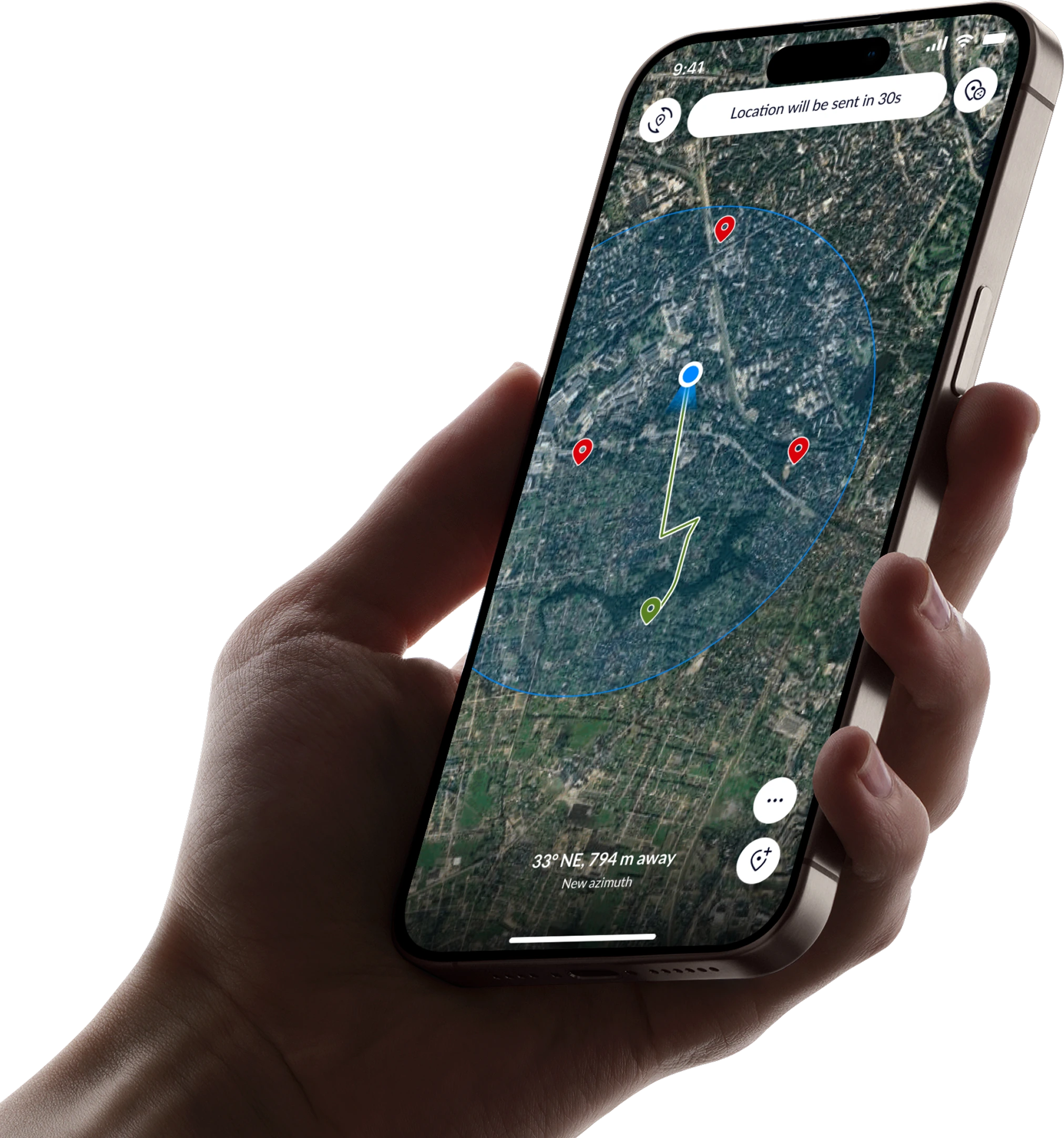
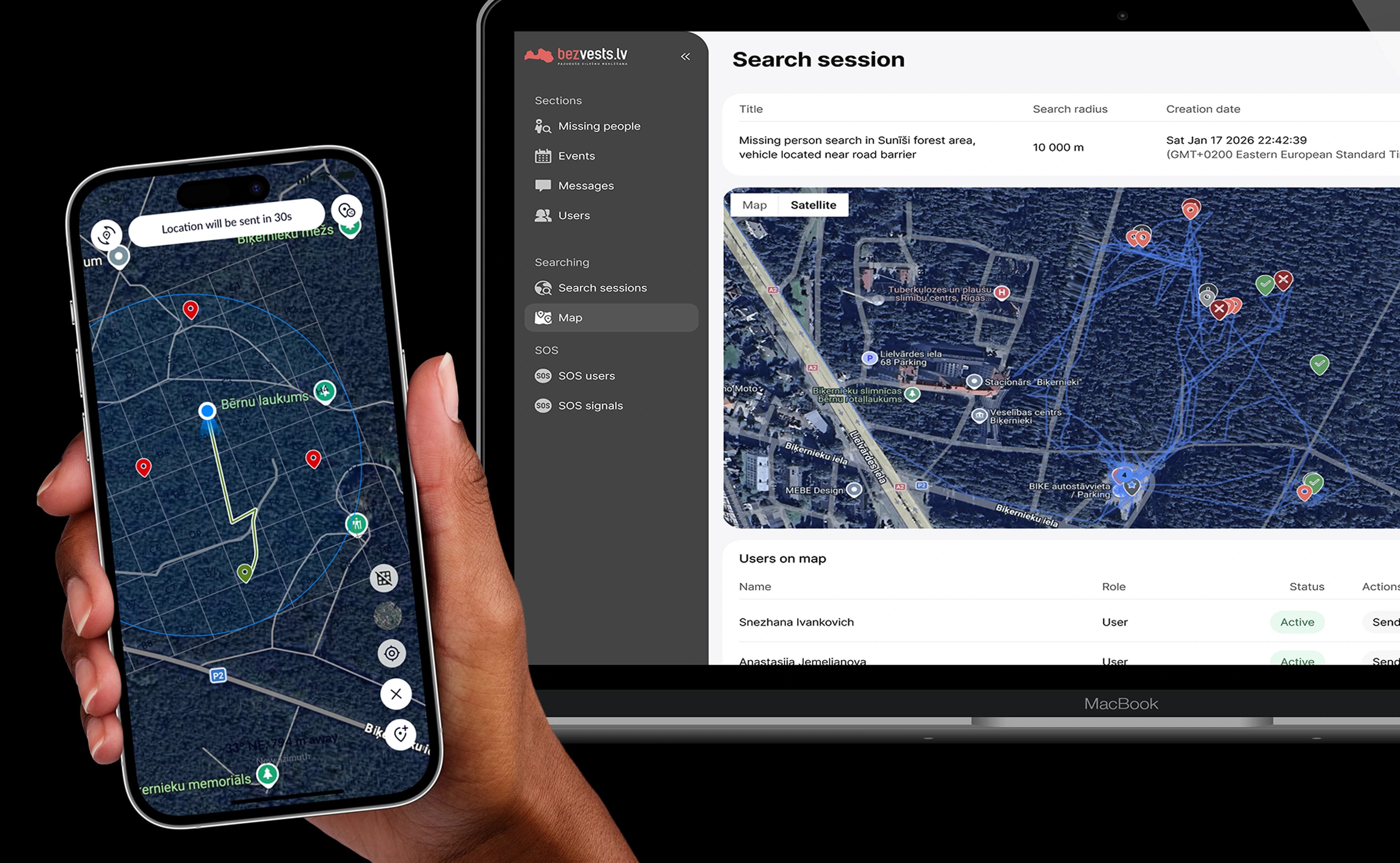
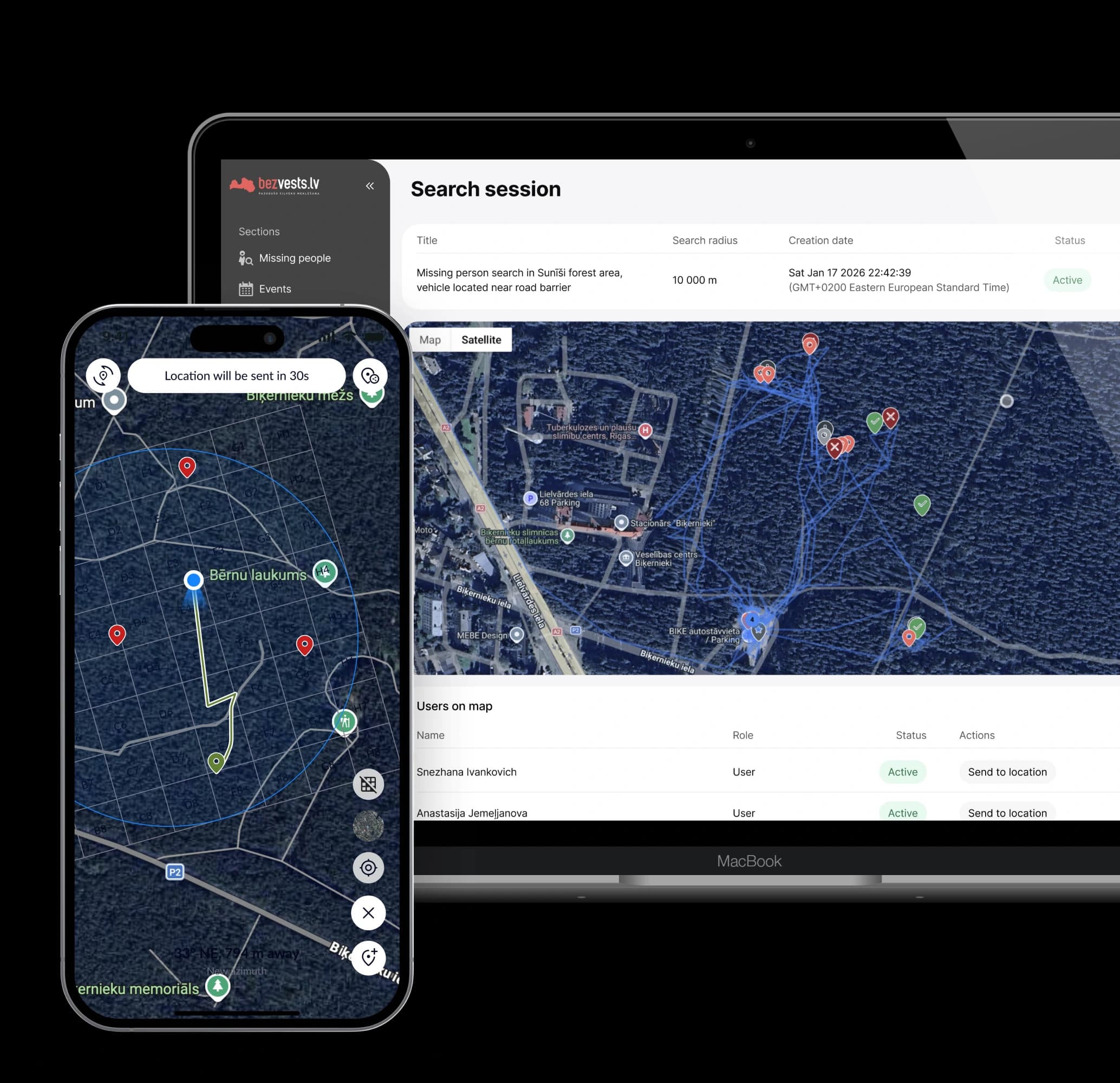
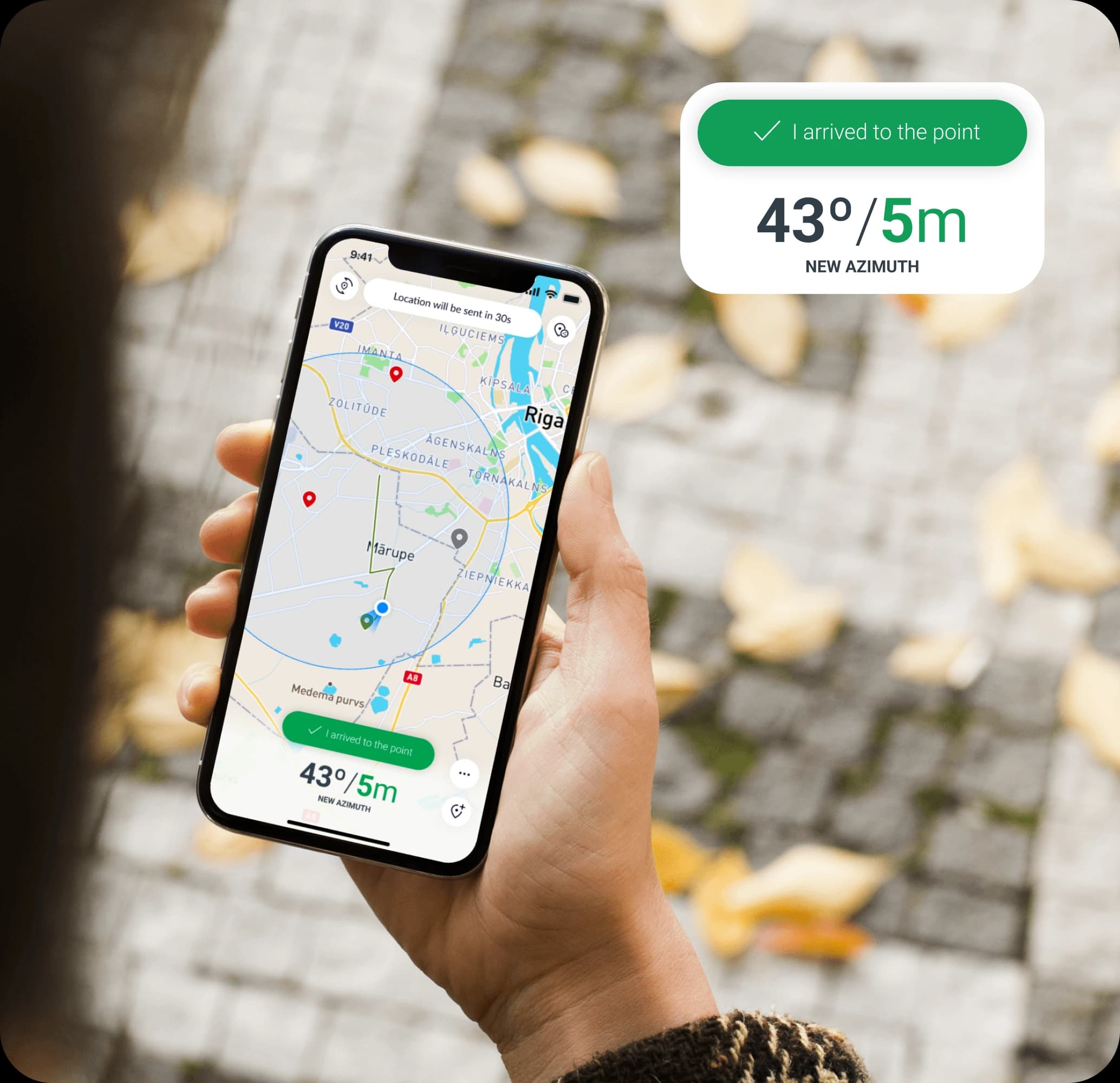
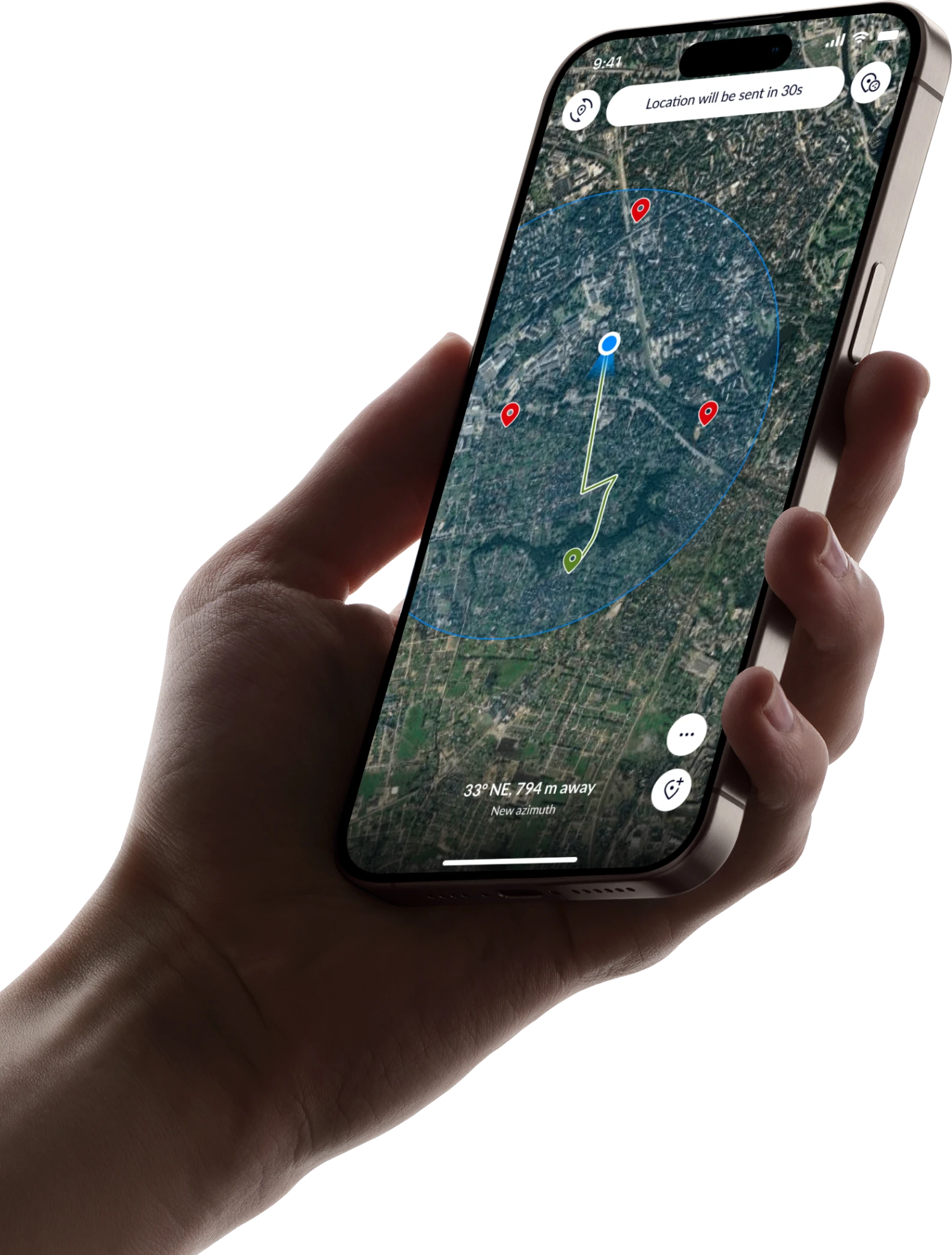
Define search areas, track completed routes, and identify unsearched zones and coverage gaps in real time.
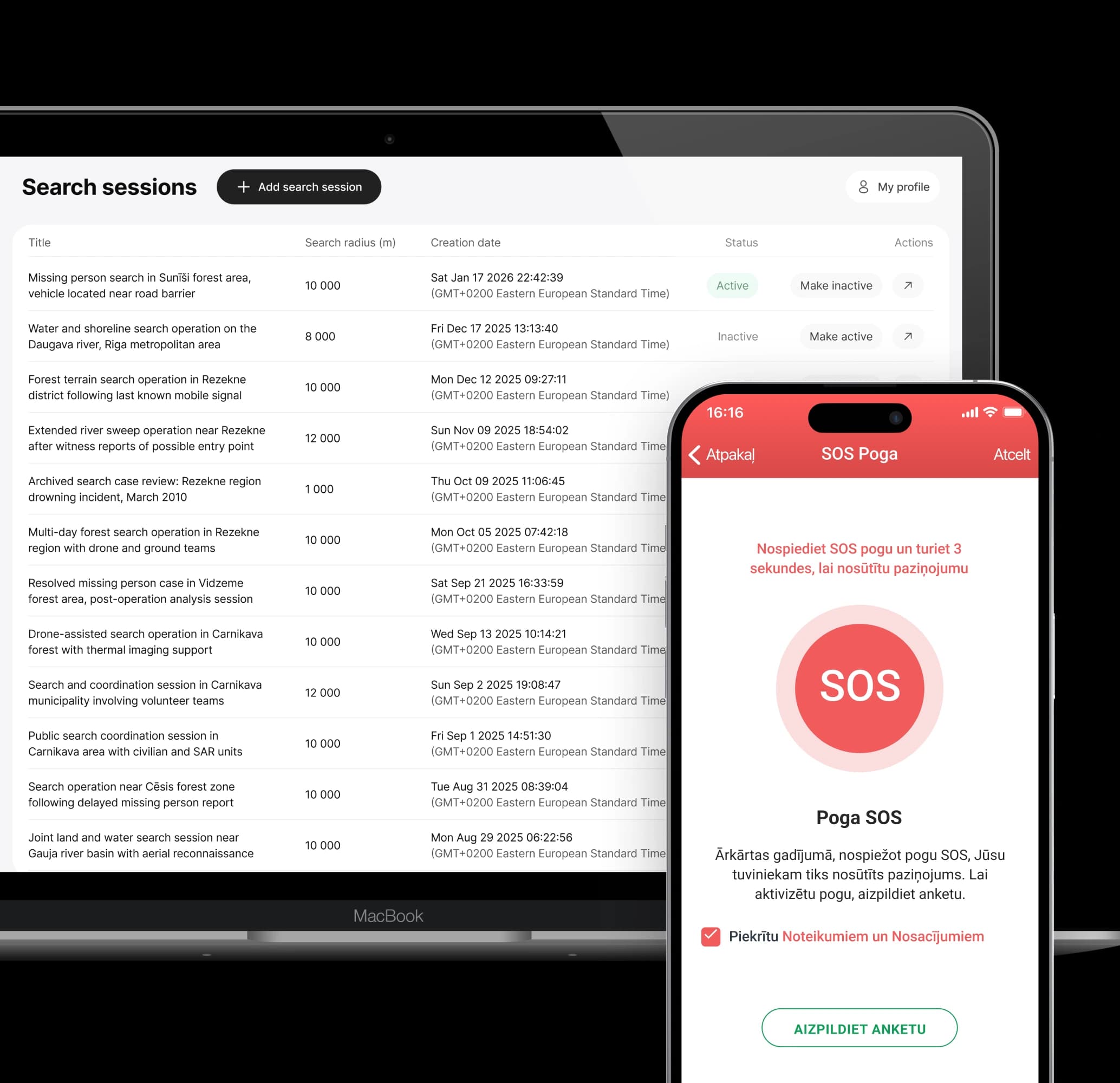
Plan, manage, and coordinate search and rescue (SAR) missions with real-time visibility across teams and locations.
ToTheRescue is a search and rescue app and digital platform for complex operations. It combines rescue mission management, resource management and real-time situational awareness to help teams stay coordinated and keep track of areas already covered.
ToTheRescue supports civil emergency response alongside defense and security operations. It enables field operations management, real-time situational awareness, and verified territorial coverage in peacetime and during elevated security conditions.
Define search areas, track completed routes, and identify unsearched zones and coverage gaps in real time.
Continue tracking and collecting information when mobile connectivity is unavailable or unreliable. Data is stored on mobile devices and synchronized once a connection is restored.
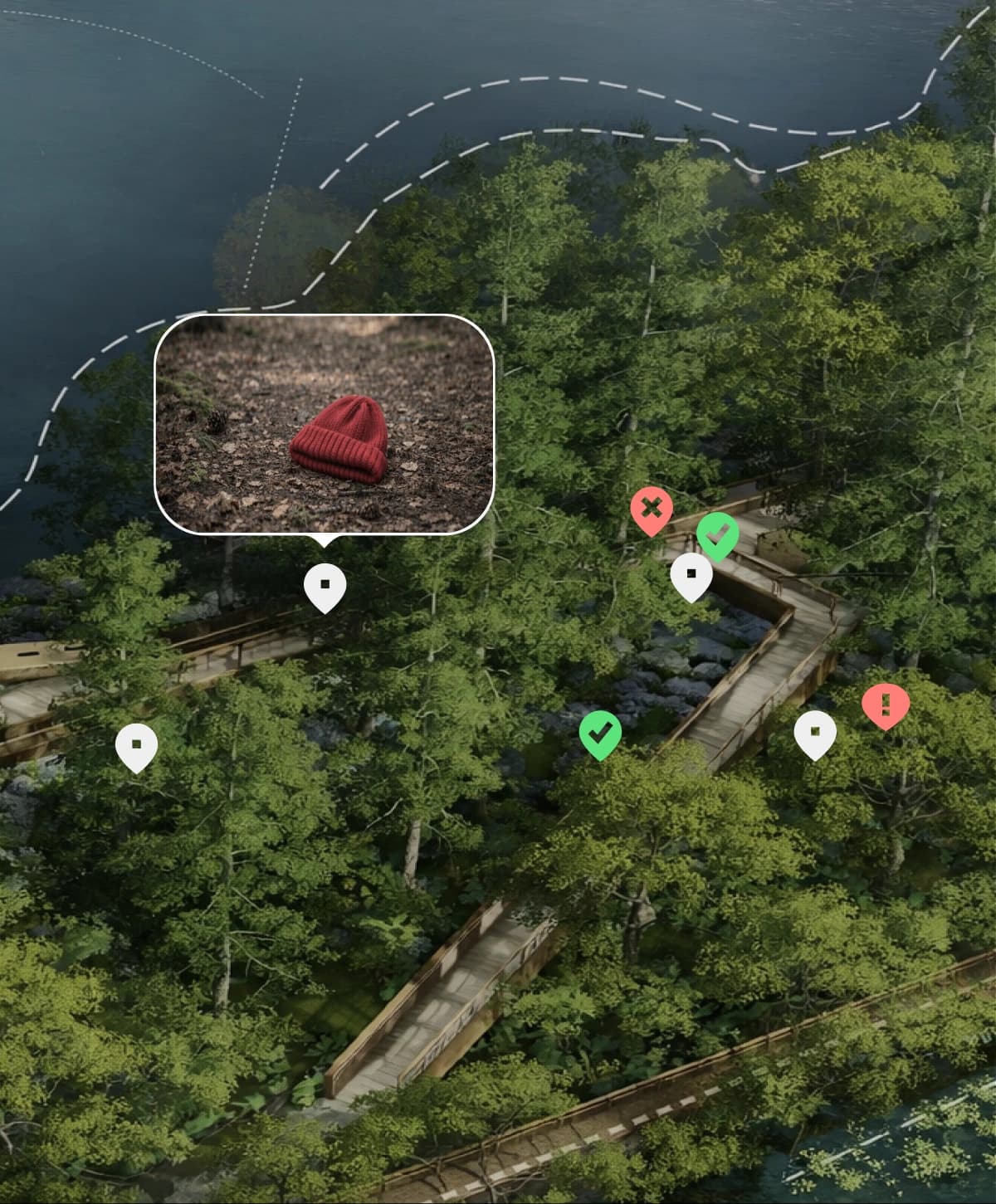
Track team members, vehicles, and other resources in real time. GPS tracking provides a shared view of team locations and movement.
Review movement tracks, area coverage, and operational data after an operation or exercise. This helps evaluate performance and identify gaps for future training.
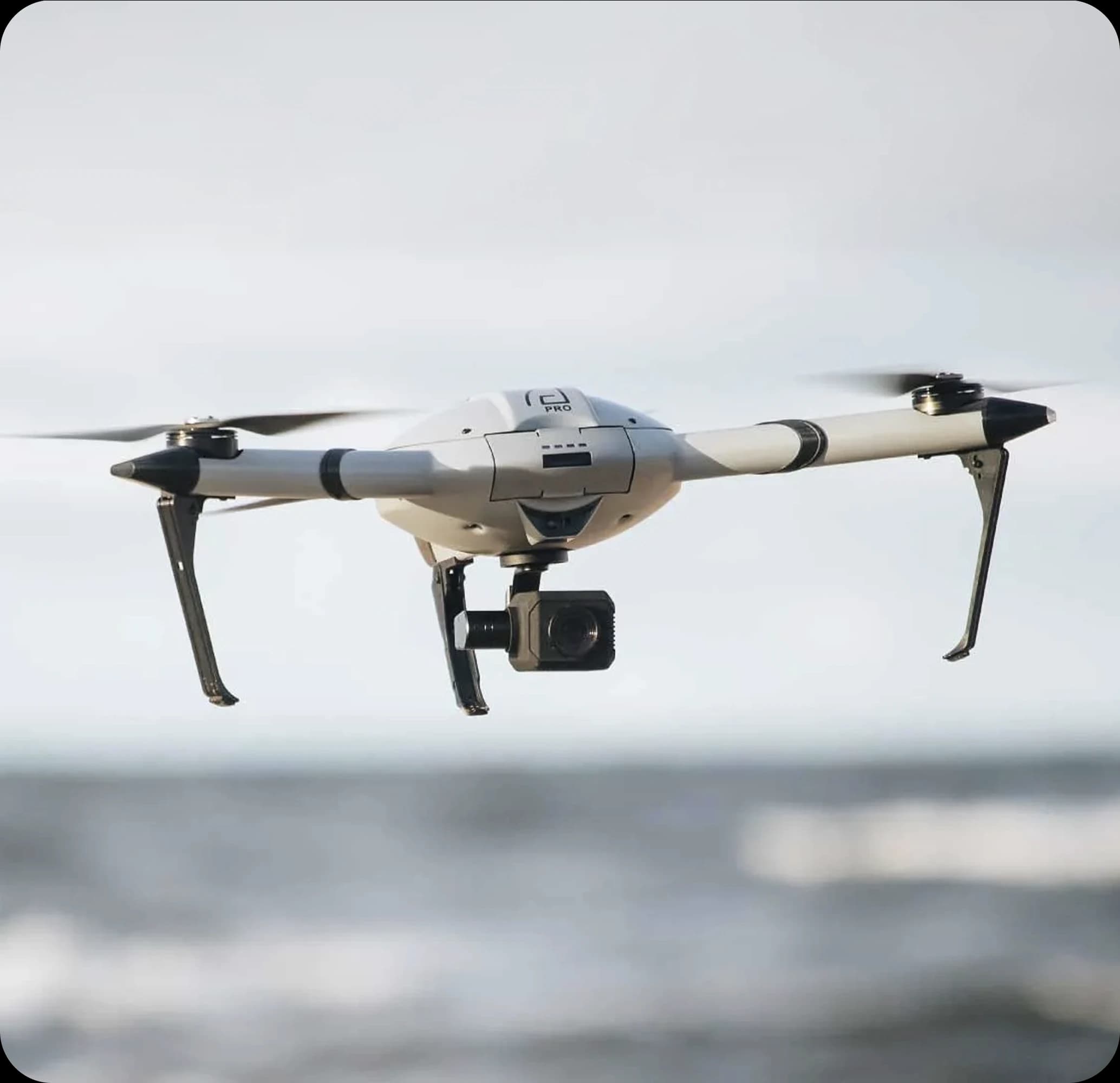
Bring drone flight paths, thermal imagery, and other aerial data into the same operational view as ground teams.
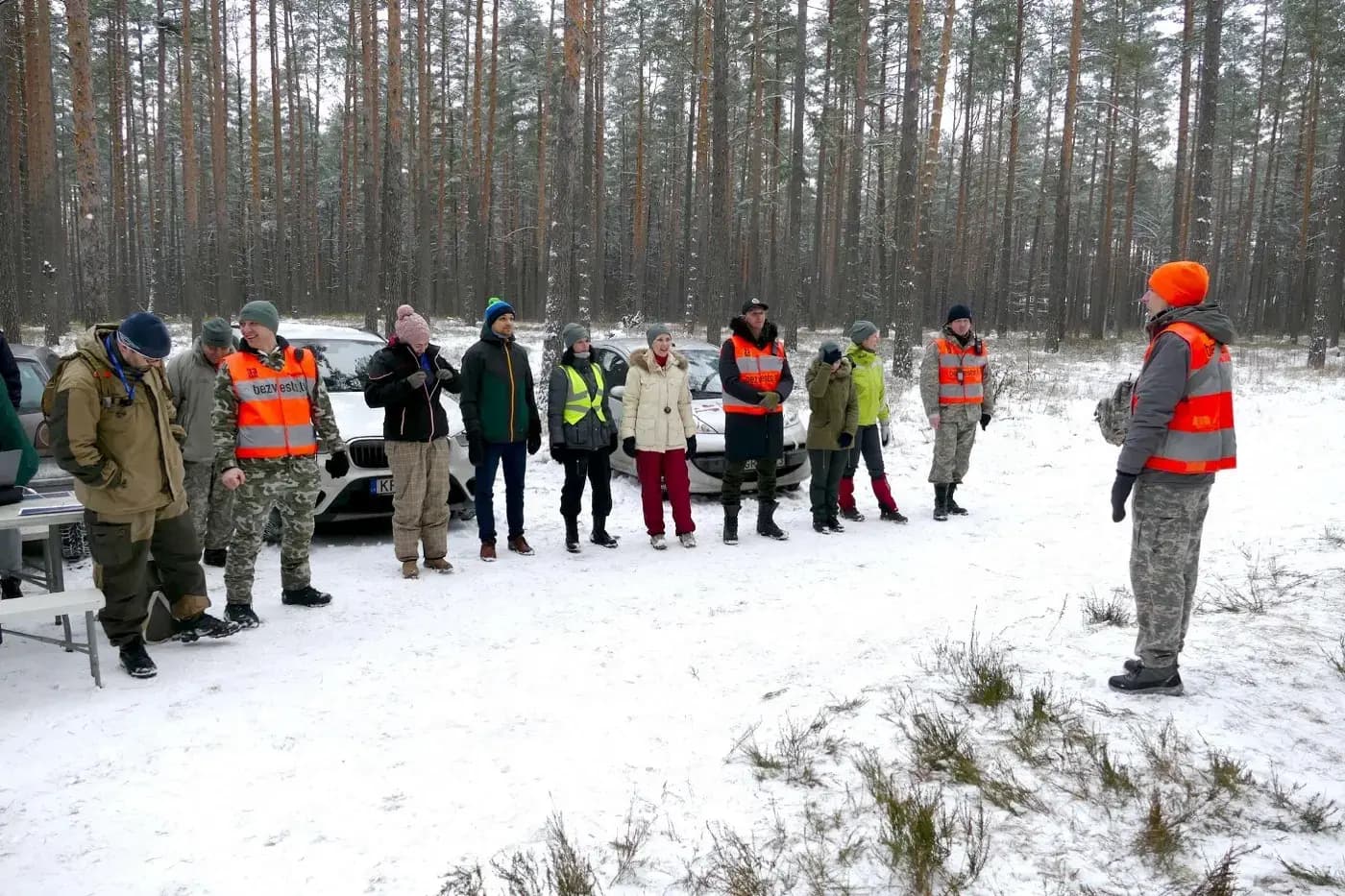
Coordinate volunteers, first responders, and search and rescue drones across forests, mountains, and other difficult terrain. Suitable for both wilderness and urban search and rescue.
ToTheRescue supports hurricane, wildfire, flood, landslide, and earthquake rescue operations with real-time tracking and area-coverage mapping.
Monitor patrol routes, identify gaps in border coverage, coordinate ground teams and drones across large or remote areas.
Support combat search and rescue, personnel recovery, area sweeping, and other mission-critical operations where secure and resilient communications are essential.
Support field operations management for teams inspecting pipelines, power lines, and other critical infrastructure while tracking routes and reporting abnormalities.
Track patrol teams and monitor coverage around airports, ports, industrial facilities, construction sites, and other large-scale areas.
Provide an additional layer of safety for hikers, tourists, and visitors in national parks, ski resorts, and remote areas with SOS and location tracking.
The SAR digital platform is engineered for unstable connectivity, limited infrastructure, and high-stress field operations, so teams can keep working when networks fail and timelines compress.
Core SAR software workflows remain usable without continuous network coverage, with automatic synchronization when connectivity returns.
Built for radio silence, disrupted networks, and burst data transmission in constrained environments.
A high-performance backend supports rescue resource management across hundreds of simultaneously active personnel and assets.
Low-latency position and status updates give commanders an accurate operational picture.
Ground units, search and rescue drones, and sensor data are combined into a single operational view, aligning aerial reconnaissance with field actions.
Energy-efficient background processes and adaptive synchronization support long missions on battery-powered devices.
The system architecture is designed to meet institutional security standards, ensuring data sovereignty, controlled access, and independence from public cloud infrastructure.
The system operates entirely on internal or field servers, ensuring full control over infrastructure and mission data.
Our emergency rescue platform encrypts all data in transit and at rest to protect sensitive operational information.
The platform does not rely on public cloud services, providing complete data sovereignty.
Role-based permissions support secure field operations management by limiting data visibility to the people who need it.
From area definition to mission review, rescue mission management follows one continuous operational flow.
Command uses mapping features to define the area of operations and split it into clear, manageable sectors.
The SAR digital platform assigns sectors to units or drones. Tasks are delivered instantly to field devices.
First responder technology allows tracking personnel and drones automatically, recording routes and coverage even without connectivity.
The system continuously identifies unsearched areas (“blind spots”) and visualizes real coverage in real time.
Command corrects movement, redeploys units, and closes gaps based on live operational data.
After the mission, the operation is replayed and summarized with automated coverage and performance reports.
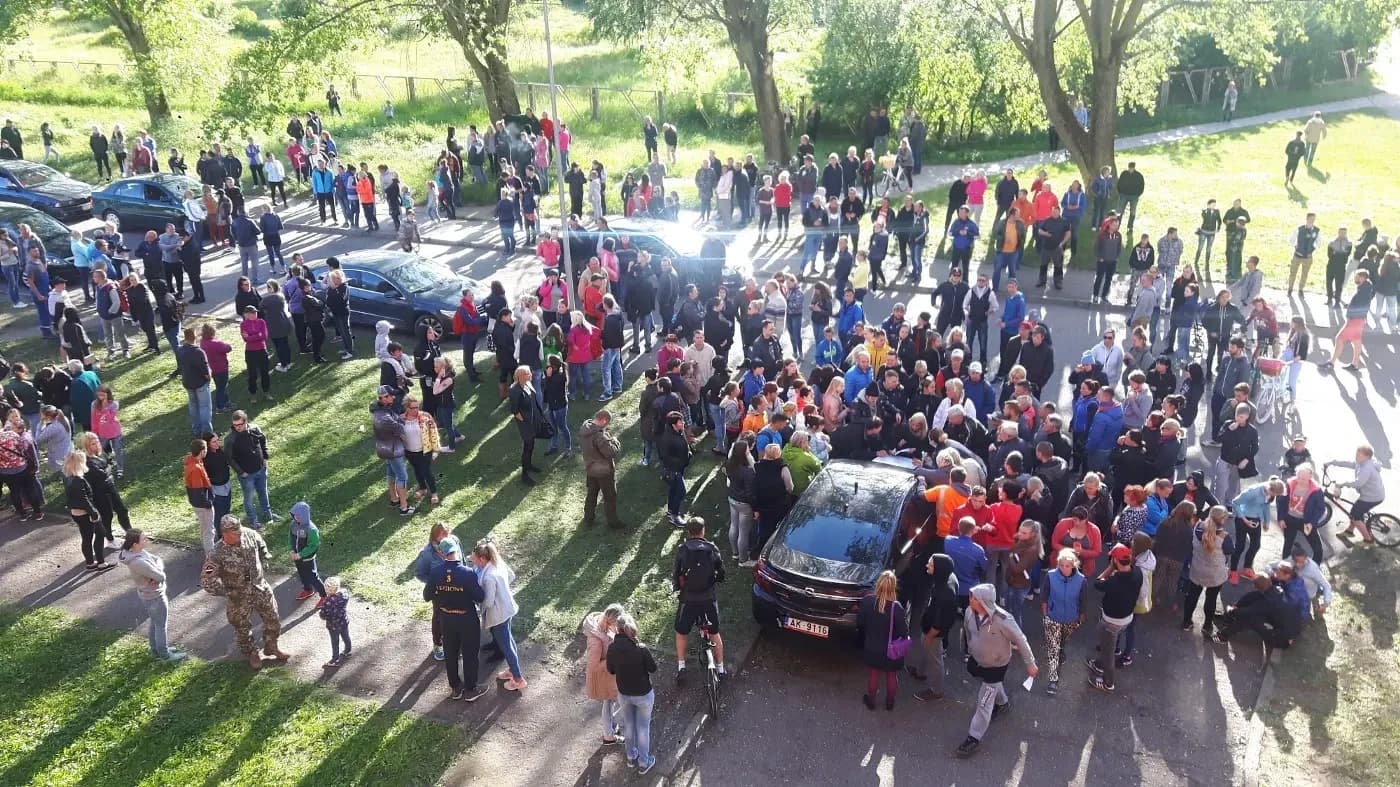
The platform was originally developed in collaboration with the volunteer search organization Bezvests.lv to address coordination challenges experienced during large-scale search operations.
Since its launch, Bezvests.lv has used the platform in every search mission, demonstrating that it is not just a prototype but a practical tool that supports real-life operations.
2K+
participants coordinated
400+
real search operations
Read the full collaboration story on Chili Labs' website
From dense forests to limited connectivity environments, the platform's offline capabilities and synchronized mapping have been validated through real-world test missions and operational deployments.
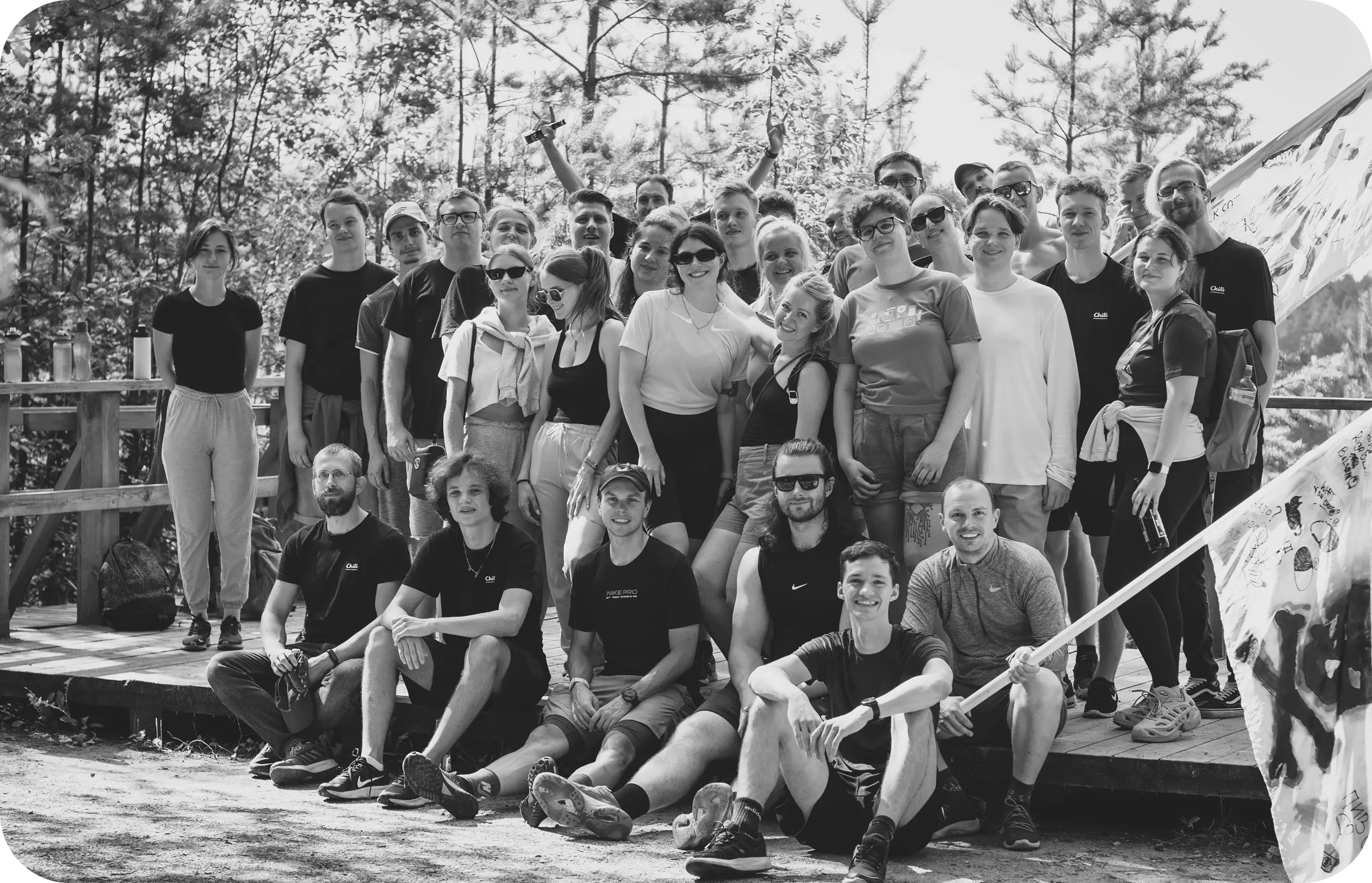
The platform is developed by Chili Labs, a product design and engineering team specializing in complex, mission critical systems.
From the first prototypes to real deployments, the team worked side by side with search and rescue organizations to turn operational challenges into a scalable and reliable coordination platform.
10+years in the industry
100+projects delivered

Learn how the system supports coordination, situational awareness, and verified territorial coverage in both civilian and security operations.